

Acute Knee Pain: Causes, Symptoms, and Relief

SHARE THIS ARTICLE:


Our knees are involved in much of our daily movement – walking, standing up, sitting down. In fact, there is little our knees aren’t part of – even if it’s just walking over to the kitchen or standing for a short period of time.
Knee pain can affect anyone at any age, even more so if you are overweight (as this puts more stress on the joint), or if you play sports. In fact, athletes and runners are particularly prone to knee injuries. Because your knees are vital to movement, knee pain can stop you from playing sports or make it difficult to carry out simple activities, such as walking and climbing stairs.

Symptoms and signs that accompany knee pain include:
- Pains in the knee that come on all of a sudden
- Inflammation
- Redness
- Injury related stiffness
- Unable to put weight on the affected knee or walk
While these symptoms can usually be managed safely at home or with the help of your pharmacist (ensuring you follow the guidance on the label of any medication you get from the pharmacy), always consult your doctor before trying any new pain management techniques.

Causes of knee pain
The knee joint is made up of primarily three bones: the femur (thigh bone), tibia(shin bone)|, and patella (kneecap). Tendons, muscles, and ligaments work to stabilise and connect the bones. Two c-shaped pieces of cartilage called menisci act as cushioning in the joint, while sacs filled with synovial fluid, called bursae, help the knee move smoothly. Disruption or trauma to any part of this delicate engineering can cause knee pain.
Knee pain causes can include:
- Wear and tear injuries
- Acute injury
- Medical conditions
- Runner’s Knee
- Acute knee pain from walking, playing soccer, tennis, etc.

Acute injuries that cause knee pain
Injuries that cause acute knee pain include:
- Muscle sprains and strains
- Ligament injuries
Quite often, acute knee injuries can be the result of twisting your knee during a sport activity or simply going about your day – like bumping your knee on the coffee table. If you experience knee pain after running or knee pain after a particular event you may have an acute injury.
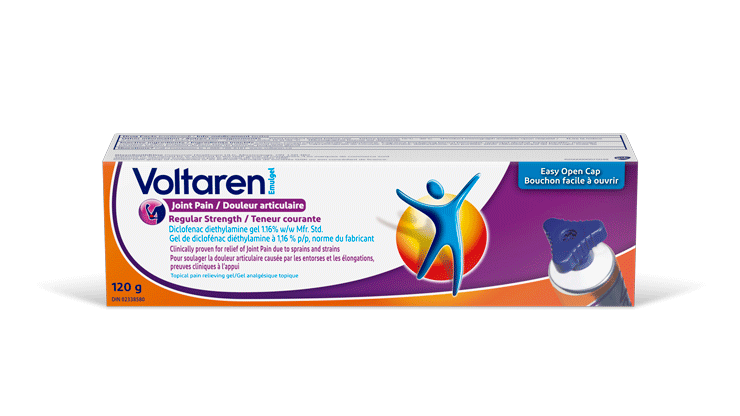
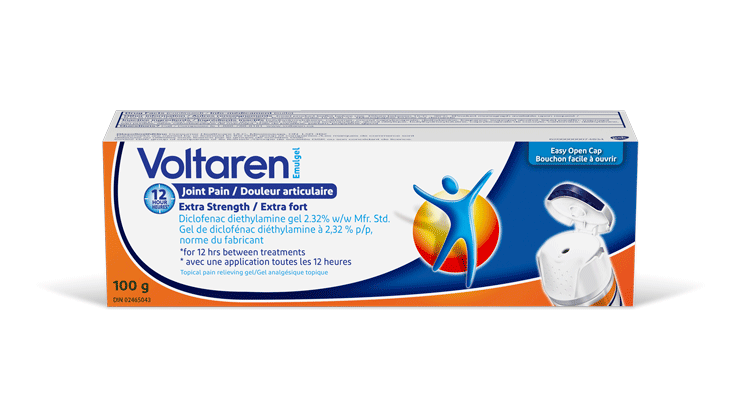
Depending on how severe your pain is, you may decide to seek medical treatment or treat your pain yourself using home remedies or an over the counter pain relief product for knee pain. Voltaren penetrates deep to relieve pain and reduce inflammation, bringing relief from acute knee pain. To be sure the product is right for you, always read and follow the label.
Diagnosing knee pain
A thorough examination by a doctor or physiotherapist can help establish a precise diagnosis of your knee pain. He or she may also recommend some treatments specific to your individual case. So, be sure to visit your doctor or healthcare professional.
Getting relief for knee pain
Getting relief from your knee pain symptoms can increase the joy you find in the small things you do throughout the day....
To get effective relief from knee pain, use Voltaren for relief of pain associated with recent (acute), localized muscle or joint injuries such as sprains, strains or sports injuries. This is typically as an adjunct to other measures such as rest for the relief of discomfort associated with such injuries.
Voltaren helps you get back to your daily routine and is indicated for temporary pain relief. Not for chronic, long-term pain.
There are a number of holistic treatments or management methods for knee pain you can try at home, that can complement the medicated pain relief you might be using.
These include:
- Rest
- Stretching
- Appropriate strength training
- Physiotherapy
- Maintaining a healthy weight
Always talk to your doctor before trying any new pain relief techniques to see if they are right for you.

Explore Voltaren’s products for pain relief
SHARE THIS ARTICLE:
Health, wellness & your pain
Pain is rarely just physical nor is it always solved by taking medicine alone. Voltaren is your ally in helping you take more control of your pain journey, from the way you sleep, to mental wellbeing and complementary pain relief therapies.